

Matcha Flavour Pairings: The Next Twist

Recent Posts
Categories
Matcha has crossed the line from niche to mainstream. Across June and July 2025 alone, more than 1.6 million matcha drinks were sold across the UK by over 2,100 sellers, a 114.5% increase in transaction volume and a 135.9% rise in gross product value year-on-year. Matcha menu items grew 30.22% year-on-year, and matcha's share of UK tea and RTD formats moved from 5% in 2023 to 12% in the first ten months of 2025.
For the food and beverage manufacturers buying matcha flavour systems in 2026, the strategic question is no longer whether to engage with the ingredient. It is which pairings to build the next pipeline around, and which grade of matcha to pair them with.
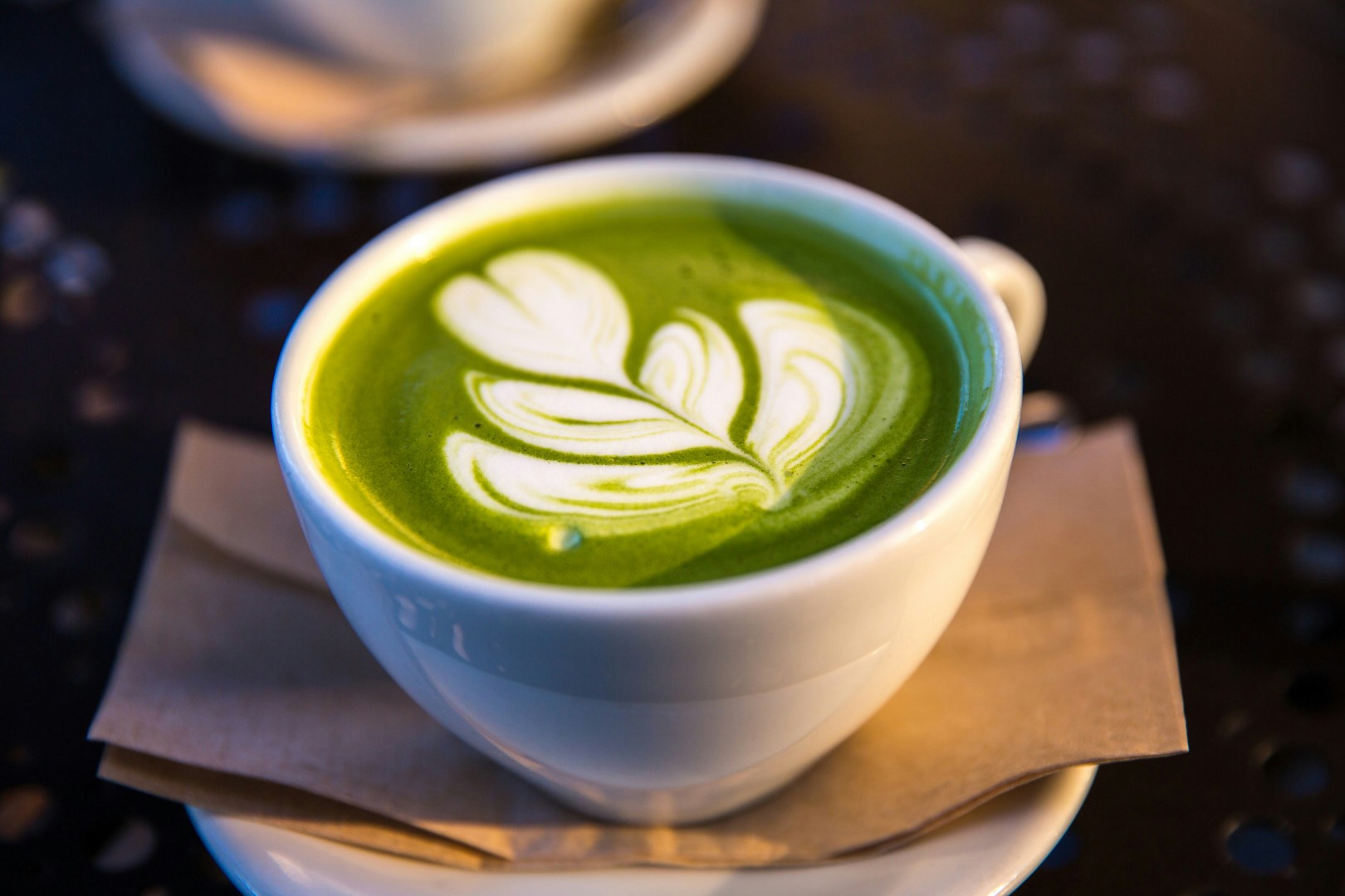
The Scale Is Real, (and so Is the supply pressure)
The global matcha market sat between USD 3.4 billion and USD 5.4 billion in 2025, depending on methodology, with most analysts forecasting USD 6.7 billion to USD 9.2 billion by 2033 to 2035 at a CAGR of 7% to 8%. The matcha chocolate sub-category alone is forecast at around USD 0.6 billion in 2026, growing at a 10.5% CAGR through the early 2030s.
The UK is leading the European charge, an arc we have been tracking since matcha first surfaced as a flavour trend in our coverage. Mintel's UK Tea Market Dynamics 2025 report shows over half of under-35s drank a hot matcha drink at home or in the workplace in the month to September 2025. Manchester Airports Group reported matcha sales up 165% year-on-year, with Stansted at 174% and Manchester at 144%. At Blank Street Coffee, whose matcha-led menu has driven UK expansion to around 40 locations and now accounts for roughly 50% of business.
Supply is tightening at the same time. The 2025 harvest was materially down year-on-year, with Kagoshima first-harvest tea off around 10% and hand-picked Uji tencha off around 40% after record summer heat in 2024, while Japan's aging tea farming workforce is reducing tencha (raw leaf) production capacity. Uji tencha auction prices rose 265% in the 2024 to 2025 season. Certified organic matcha is under 10% of Japanese production and is particularly constrained. For B2B procurement, direct supplier relationships and forward contracting are no longer optional.
The Best Flavours to Pair with Matcha
Matcha's flavour profile sits at the intersection of umami, gentle bitterness, vegetal grassiness, natural sweetness and creamy mouthfeel. The bitterness and earthiness that some consumers find challenging are, for NPD teams, the leverage points. They can be softened, amplified, contrasted or redirected depending on the format and the target audience.
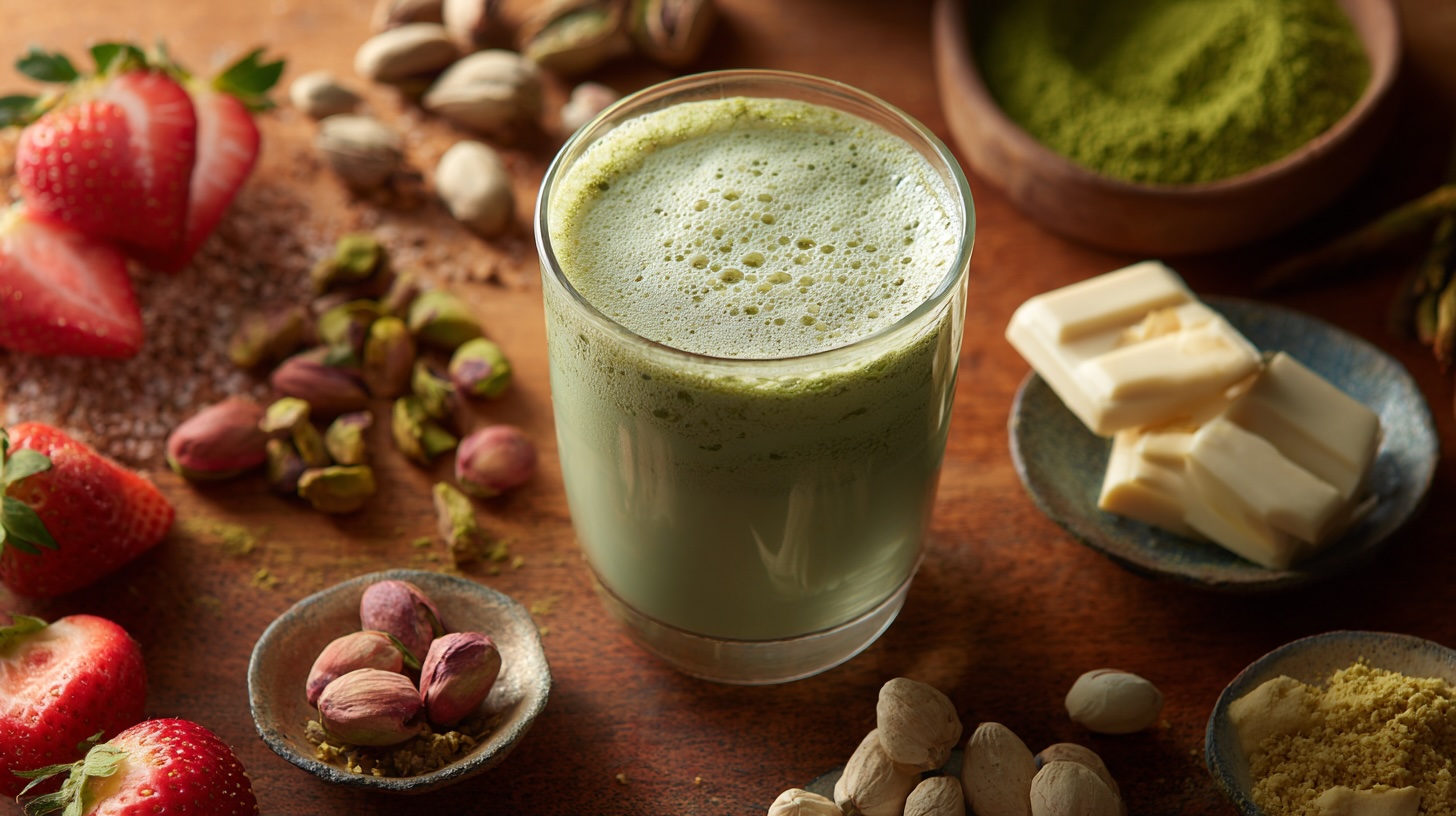
Tier one pairings are the proven, commercially scalable combinations.
- White chocolate (creamy mildness softens the bitterness, premium positioning, ready for confectionery, RTD and ice cream).
- Vanilla and sweet cream (a familiar bridge for new drinkers).
- Strawberry (natural tartness, vivid green and red contrast, Gen Z appeal).
- Citrus, particularly lemon and orange.
- Coconut and oat milk for plant-based carriers.
- Blueberry, with its antioxidant-on-antioxidant story and visual contrast.
Tier two pairings are where the NPD momentum is strongest in 2026. Pistachio is the standout, riding 2025's pistachio breakout and the matcha-pistachio fusion already on UK cafe menus. Yuzu adds Japanese authenticity to RTD and confectionery briefs. Banana bread proved itself viral via Blank Street Coffee. Lavender, black sesame, raspberry and dark cherry are all building credible launch evidence (Tastewise matcha pairing data: matcha-pistachio +169% YoY, yuzu matcha +165%, strawberry matcha +151%).
Tier three pairings are emerging. Miso caramel (umami plus sweet-salty, riding the "caramiso" trend). Cardamom and ginger (warm spice, bridging South Asian and Japanese flavour worlds). Apple butter (proven via Blank Street's autumn menu). Earl Grey (a very British adaptation that maps neatly onto premium tea positioning). Pandan, mushroom adaptogens. These are higher-risk, higher-differentiation moves.
Grade Selection Is a Strategic Decision
Not all matcha is interchangeable, and grade choice has direct commercial implications. Ceremonial grade (vivid green, umami-forward, naturally sweet, lowest bitterness) is the right call for premium RTDs, at-home kits and any product where provenance is the story. Culinary grade (stronger, more astringent, cost-effective and forgiving with sweeteners) could be a good choice for high-volume beverages, bakery, confectionery and flavoured powders. The culinary grade segment is 56.2% of the global market and is the workhorse of food manufacturing applications.
Format Opportunities by Audience
Beverage manufacturers should be prioritising RTD matcha in plant-based carriers. The Alpro UK first RTD matcha launch, on a soya-coconut base fortified with calcium, iodine and vitamins B2, B9 and D2, signals that nationally listed retail RTD matcha is now a category with format momentum. Sparkling and carbonated matcha formats with yuzu, lemon or berry pair well with a matcha base and are visually distinctive on shelf. Black Sheep Coffee reported a 227% surge in iced beverage sales after launching matcha and lemonade lines, with matcha lemonade specifically up 315%.
Dessert and confectionery NPD teams have a particularly strong opportunity, and matcha as a natural green colorant is part of the reason. Matcha replaces synthetic green dyes in clean-label formulations while delivering distinctive flavour and a wellness-coded provenance story. White chocolate plus matcha is the most commercially proven format. The Forest Feast x PerfectTed Matcha Chocolate Almonds launch in April 2026, across Sainsbury's, Boots and Tesco demonstrates mainstream retail viability.
Premium iced drinks brands have the clearest social media native format in any beverage category. The visual layering of matcha green over white plant milk, the customisation potential, and the seasonal flavour rotation cadence (Blank Street's pistachio in spring, banana bread in autumn, dark cherry in spring 2026) are now part of the product specification, not a marketing afterthought.
At-home matcha kit developers are seeing a market valued at USD 2.8 billion in 2025, with a forecast to USD 5.4 billion by 2034 at a 7.6% CAGR. Starter kits combining bamboo whisk, chawan bowl, sifter, scoop and premium powder hold the largest share. The opportunity for ingredient suppliers is dual-tier kits: a ceremonial-grade daily matcha alongside a flavoured culinary blend (pistachio, vanilla, yuzu, lavender) for the everyday latte.
Working with Uren
We supply matcha flavour, matcha powder and a comprehensive range of pairing flavours and combinations across creamy, citrus, berry, nutty, floral, herbal and chocolate profiles. Whether you are developing a wellness-led iced latte, a premium ready-to-drink, an at-home matcha kit or a confectionery line, our beverage development team and confectionery NPD specialists can support the matcha base and the complementary flavour system in one place.
To discuss a flavour project or request samples, contact our team at sales@uren.com or +44 (0)151 353 0330.